Airport Wheelchair and Mobility Device Battery Checklist for 2026
Plan airport wheelchair assistance, mobility-device battery documentation, gate timing, damage evidence, and backup mobility support before a flight.
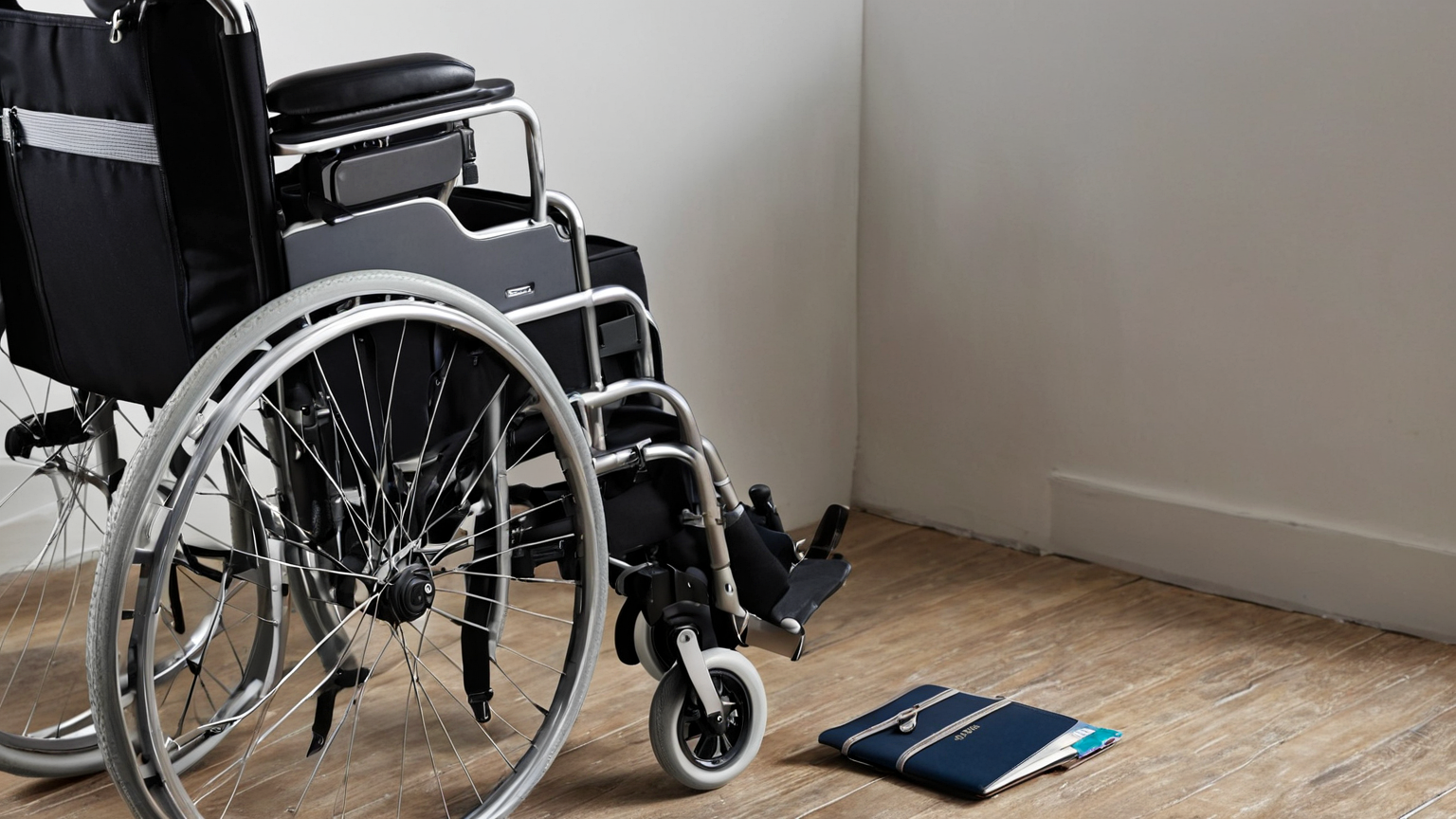
Wheelchair and mobility-device travel is not just a special request box at booking. The smoother trip comes from documenting the device, battery type, handling instructions, assistance request, medication or medical-device needs, and damage evidence before airport pressure starts. This 2026 guide is checked against U.S. DOT, FAA, TSA, State Department, CDC, and IATA resources. Airline, aircraft, destination, and device-specific rules can change, so confirm with the operating airline before travel.
Practical decision table
| Situation | Safer action | Avoid |
|---|---|---|
| Booking | Request assistance and note device needs | Waiting until the gate to explain everything |
| Preflight | Confirm battery/device handling | Assuming all staff know the model |
| Airport | Allow handoff time | Choosing a connection too tight for assistance |
| Damage event | Report promptly with evidence | Leaving airport with no claim record |
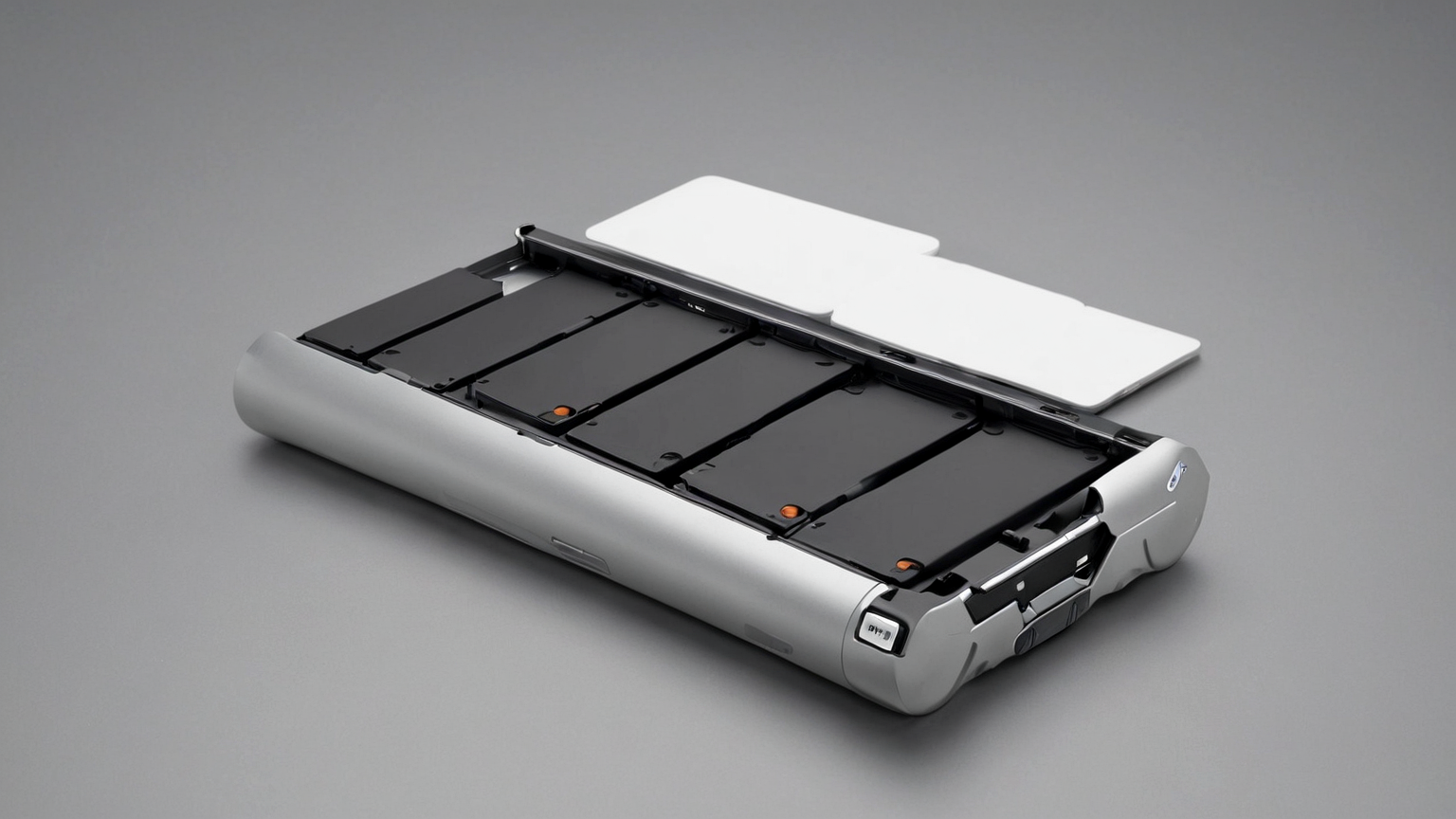
Confirm the assistance request early and again before travel
Add the wheelchair or mobility assistance request at booking when possible, then confirm before departure. Ask whether the assistance covers curb, check-in, security, gate, aisle chair, connection, arrival, and baggage claim. A vague request can fail at the exact handoff point that matters most.

Document the device and battery type
Record make, model, dimensions, weight, folding points, freewheel instructions, battery chemistry, battery rating, removable parts, and charging needs. Keep a plain handling sheet for staff, but avoid exposing medical details beyond what is necessary for safe transport. Battery rules are technical; use airline and FAA guidance rather than forum summaries.
Evidence checklist
- Save official confirmation pages, case numbers, dated notes, or handling instructions without exposing full IDs, credentials, account numbers, or children’s private details.
- Keep one owner for follow-up and one review date so the checklist does not become stale.
- Use official support or qualified professionals when the decision affects money, health, travel eligibility, legal documents, or account security.
Build a connection and boarding buffer
Accessible travel often takes longer at check-in, security, boarding, deplaning, and connections. Choose connection times that allow real human handoffs. If a flight change creates a tight transfer, contact the airline rather than hoping the original assistance note follows perfectly.
Take damage evidence without creating privacy risk
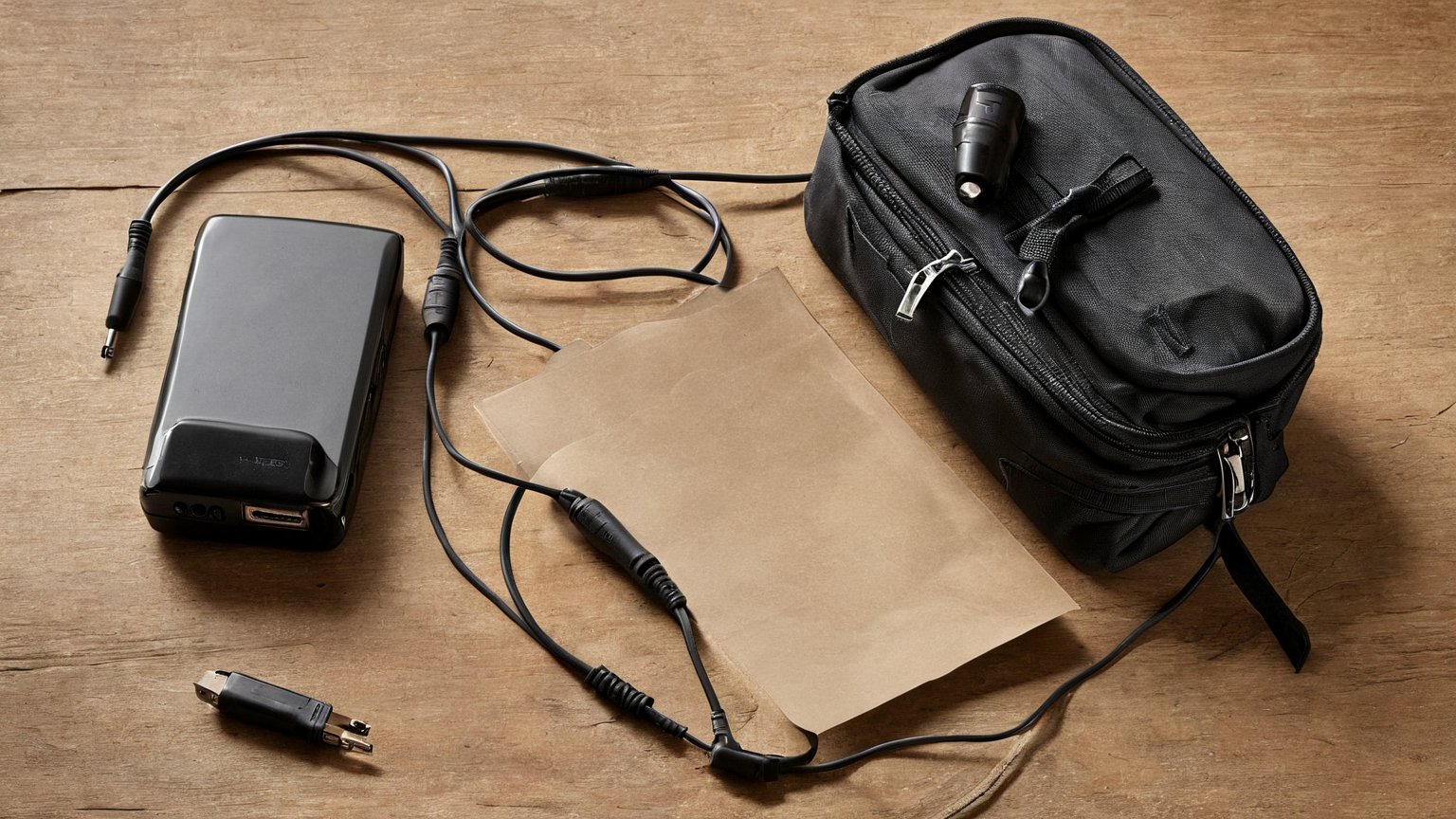
Before surrendering a device, photograph condition, removable parts, and existing marks. Use close crops that do not expose home addresses, medical records, or other travelers. If damage happens, report it promptly through the airline process and preserve names, times, photos, and claim numbers.
AdSense/readiness note
This article avoids thin affiliate filler and uses official-source based steps, privacy-safe evidence guidance, and clear limits. It is designed to help readers make a safer decision rather than push a product or unsupported claim.
Prepare a backup mobility and medication plan
Carry essential medication, chargers, small comfort items, and contact numbers in the cabin within rules. Identify what you would do if the device is delayed or damaged at arrival. Travel insurance, airline assistance, airport staff, and destination support are different systems; list them separately.
Quick summary
- Confirm the official rule or account record before acting.
- Keep proof, but redact private account, medical, child, travel, and identity details.
- Separate routine convenience from emergency access.
- Recheck after life events, provider changes, policy changes, travel changes, or device/account replacement.
FAQ
Is this guide current for 2026?
Yes. It was checked against the listed sources on 2026-06-23, but official rules and account-specific requirements can change.
What should I do first?
Use the decision table to identify the highest-risk handoff, then verify the official source or professional guidance for that handoff.
When should I get expert help?
Use a qualified professional or official support channel when a mistake could affect money, identity, health, travel access, legal duties, or account security.