Hotel Carbon Monoxide Alarm Travel Safety Checklist 2026
A 2026 traveler checklist for asking about hotel carbon monoxide alarms, packing a portable detector, recognizing symptoms, and documenting a room-safety concern.
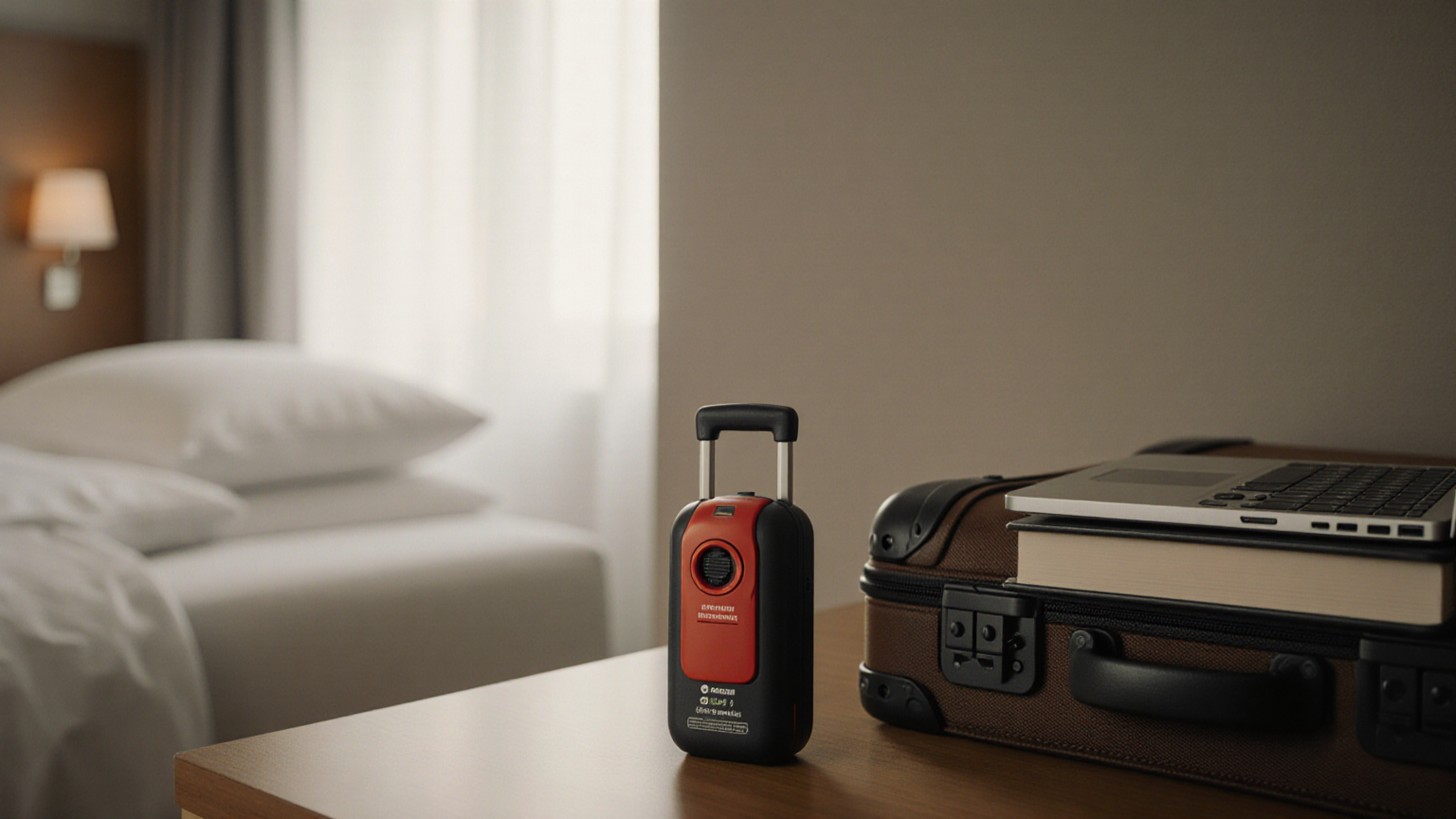
Why hotel carbon monoxide safety belongs on the packing list
Carbon monoxide is invisible and odorless, and travelers rarely know how a property maintains fuel-burning appliances, garages, generators, fireplaces, kitchens, or attached mechanical rooms. Most trips do not involve carbon monoxide problems, but the downside is serious enough that a small pre-trip routine can be worthwhile, especially for families, older travelers, people with heart or respiratory conditions, and anyone booking older lodging or vacation rentals.
This 2026 checklist is not a promise that a portable alarm can certify a room. It is a practical traveler workflow: ask better questions before arrival, pack a simple detector when appropriate, recognize symptoms, and leave the room rather than debate when an alarm or symptoms appear.
Pre-booking question table
| Booking situation | Ask before arrival | What to do with the answer |
|---|---|---|
| Hotel with indoor pool, garage, restaurant, or older heating | Are carbon monoxide alarms installed in guest areas and near fuel-burning equipment? | Prefer properties with a clear yes and maintenance routine |
| Vacation rental or cabin | Are working CO alarms installed on sleeping levels? | Ask for a recent photo or choose another listing if unclear |
| International stay | What local alarm rules apply and what emergency number should guests use? | Save local emergency numbers offline |
| Road trip with children | Can you place your portable detector without blocking vents or alarms? | Pack batteries or charging cable and test before leaving |
Step 1: inspect the room without becoming a building inspector
When you enter, look for obvious safety clues: a wall or ceiling alarm, blocked vents, fuel-burning fireplace, attached garage, portable generator nearby, or strong exhaust smell. You are not diagnosing the building. You are deciding whether to ask the front desk, request another room, or leave. If staff cannot explain alarm coverage and the room has fuel-burning equipment nearby, treat uncertainty as a reason to be conservative.
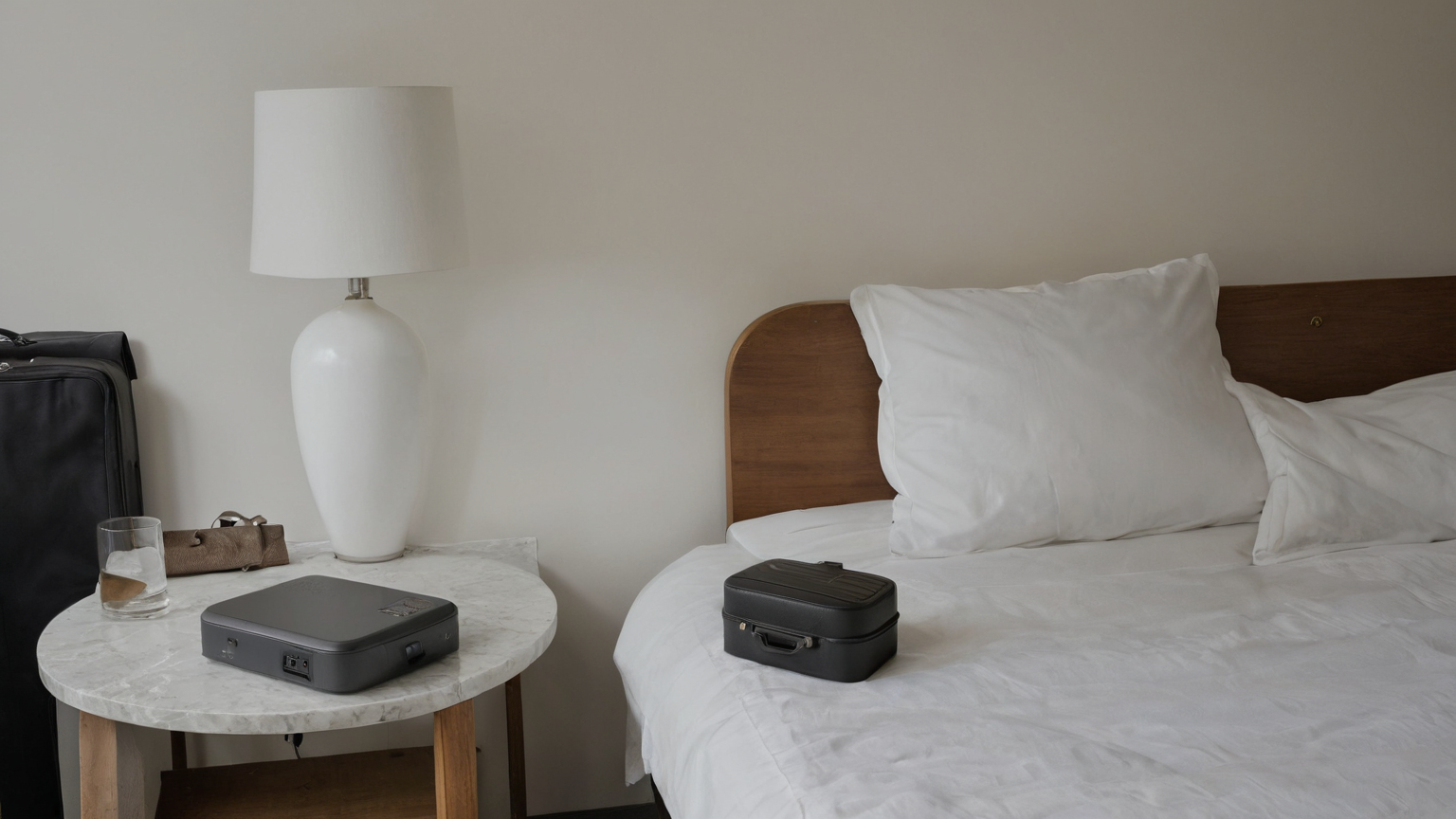
Place a portable detector according to its manufacturer instructions, not on a pillow, under clothing, or inside a bag. Avoid placing it directly beside a window, fan, or bathroom steam source unless the instructions say so. Test it at home before the trip so you are not learning the button sequence in a hotel hallway.
Step 2: know the symptom pattern
Carbon monoxide symptoms can look like flu, food poisoning, jet lag, dehydration, or altitude stress: headache, dizziness, weakness, nausea, confusion, chest discomfort, or shortness of breath. A key travel clue is pattern. If multiple people in the same room feel unwell, if symptoms improve outdoors, or if an alarm sounds, leave immediately and contact emergency services or hotel staff from a safe location. Do not open a window and go back to sleep.
For children, older adults, pregnant travelers, and people with heart or lung conditions, err on the side of medical evaluation. Travel insurance, loyalty points, and room refunds are secondary to leaving the exposure area.
Step 3: document without delaying exit
If you are safe outside, document the room number, time, symptoms, alarm behavior, staff response, and any relocation or medical advice. Take photos only if doing so does not delay leaving. If you change rooms, keep receipts and written messages. If emergency responders evaluate the scene, ask how to obtain a report number.
Do not post a public accusation while you are still sorting facts. Share urgent safety concerns with hotel management, emergency services, booking platforms, and health authorities as appropriate. Your notes should be factual: what happened, when, who was affected, and what the property did.
Packing checklist
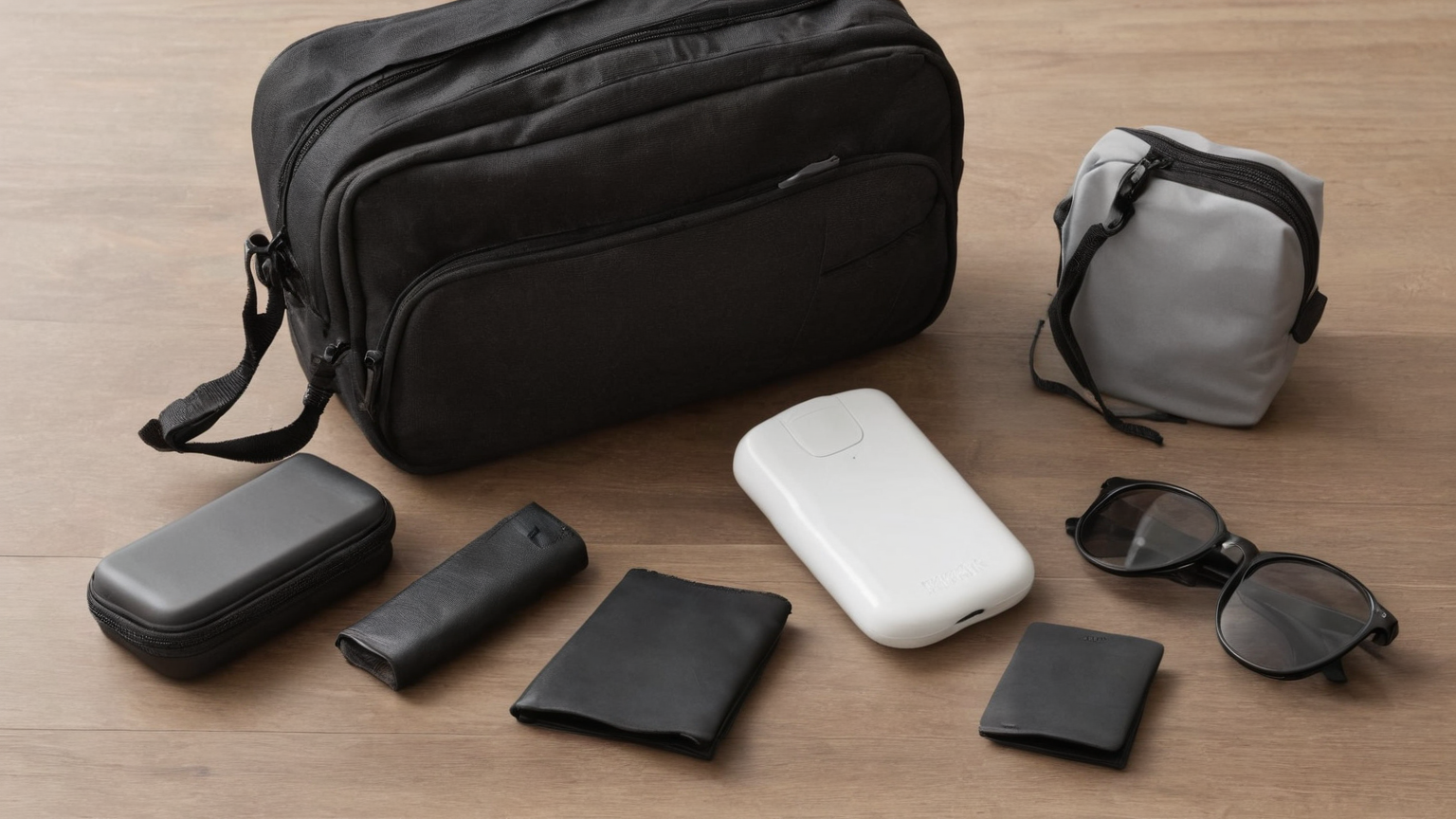
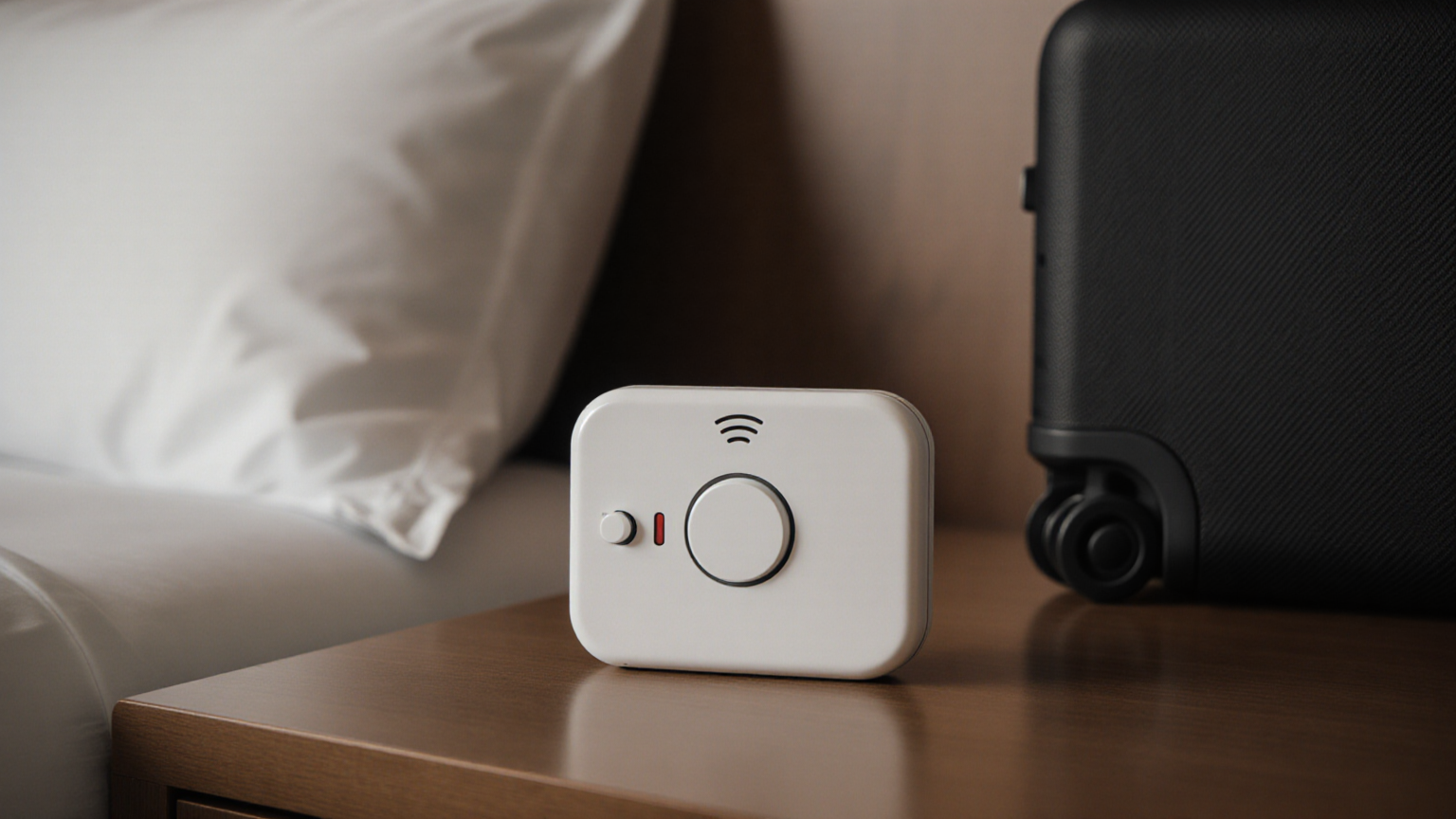
- Portable carbon monoxide detector with fresh batteries or charging cable.
- Manufacturer instructions saved offline.
- Local emergency number and hotel front desk number.
- Medication list and health-condition summary for high-risk travelers.
- Booking screenshots that show room type and property contact details.
- A plan to leave the room immediately if symptoms cluster or an alarm sounds.
What not to do
Do not assume a luxury brand, new listing, or high review score proves alarm coverage. Do not disable a beeping device because it is annoying. Do not run a vehicle, camp stove, grill, or generator near sleeping areas. Do not treat a portable detector as permission to ignore symptoms. And do not let a refund discussion keep you inside a room where an alarm or symptom cluster suggests a hazard.
FAQ
Should every traveler pack a portable detector? It is a personal risk decision. It can be especially reasonable for road trips, rentals, cabins, older lodging, and family travel. It does not replace property alarms or emergency response.
What should I do if the alarm sounds once and stops? Leave the room, get to fresh air, and report it. Let trained responders and property staff evaluate the source before anyone returns.
Where the portable detector fits in the routine
A travel detector is a backup signal, not a room inspection service. It may help alert you to a problem near your sleeping area, but it cannot prove that every part of a property is safe. Choose a simple unit, test it before departure, and know what the lights and beeps mean. If it requires batteries, pack spares in a way that complies with airline and device instructions. If it is rechargeable, charge it before the travel day rather than depending on a hotel outlet at midnight.
When traveling with children, explain the rule before bedtime: if the alarm sounds, everyone leaves the room first and asks questions outside. This removes the temptation to search for the source while half asleep. For group travel, assign one adult to gather medications, phones, and room keys only if they are within reach. No bag or charger is worth delaying exit.
How to talk with the front desk or host
Use calm, concrete language. Say, “Our carbon monoxide alarm sounded,” or “Two people in the room developed headache and nausea that improved outdoors.” Ask for emergency evaluation and a different room away from the suspected area. If the response is dismissive, contact local emergency services from outside and follow their guidance. Avoid technical claims you cannot verify, such as naming the appliance source. Stick to observations, symptoms, alarm behavior, and times.
If you are moved, keep written confirmation of the new room and any incident report. If you leave the property, document the checkout time, refund discussion, and medical or emergency contact. This is useful for insurance, card benefits, or platform support, but the safety decision should come first.
Family travel adaptation
Families can add the detector to the same checklist as medications and chargers. Put it in the carry-on, not in a checked bag needed at bedtime. Teach older children that they should not play with the device or silence it. For infants or medically vulnerable travelers, plan a lower threshold for leaving and seeking medical advice because symptoms may be harder to describe.
Reader trust and scope note
Before acting on this checklist, run a final readiness pass. Confirm that the article’s advice is appropriate for your jurisdiction, employer, family situation, and risk tolerance. Save official pages rather than social snippets, because the rules and platform screens that matter are the ones maintained by agencies, vendors, or qualified professionals. If a step would affect taxes, medical care, legal rights, account access, or travel safety, treat this page as a planning aid and verify the final decision with the relevant authority.