Lost or Delayed Baggage Claim Evidence Kit for 2026 Trips
Build a practical 2026 baggage claim evidence kit for delayed bags, lost luggage, damaged items, airline deadlines, insurance, receipts, and privacy-safe documentation.
A delayed or lost bag is stressful because the evidence starts disappearing the moment you leave the airport: tag numbers, counter instructions, receipts, photos, delivery promises, and replacement purchases. A 2026 baggage evidence kit is simply a calm system for proving what happened without exposing private documents. This guide was checked on June 11, 2026 against U.S. DOT, European Commission, UK CAA, TSA, airline, and FTC resources. Airline rules and treaty limits vary, so verify the carrier and itinerary that apply to your trip.
Claim evidence table
| Moment | Do this before leaving | Evidence to save |
|---|---|---|
| Bag missing at carousel | File a report with the airline | File reference, bag tag, itinerary |
| Essentials needed | Buy reasonable necessities | Itemized receipts and dates |
| Bag delivered late | Photograph condition before unpacking | Delivery time, photos, missing items |
| Bag damaged | Report promptly | Photos before repair or disposal |
| Claim escalates | Match airline and insurance deadlines | Timeline, messages, policy numbers |
Photograph the bag before the trip, but protect private details
Before departure, take a few useful photos: the suitcase exterior, distinctive color or straps, packed categories, and the baggage tag after check-in. Avoid photographing passports, full addresses, medication labels, credit cards, or children’s documents in the same frame. If the bag is delayed, these photos help describe it accurately without oversharing personal data to every support channel.
File the first report at the airport
If the bag does not arrive, file a report with the airline before leaving the airport when possible. Get the file reference, baggage tag number, contact method, delivery address, and the carrier’s instructions for essentials. Ask whether the report covers delay, loss, and damage separately. If a connection involved multiple airlines, record which carrier accepted responsibility. Keep the tone factual: flight number, date, bag description, and what staff promised.
Buy necessities like a reviewer will read the receipt
Airlines and insurers usually distinguish reasonable interim purchases from upgrades, souvenirs, or undocumented spending. Keep itemized receipts, not just card notifications. Note why the item was necessary: toiletries, simple clothing, charger, work clothing, infant supplies, or weather-appropriate basics. If an item is expensive, check the airline’s policy before purchasing. Do not discard tags or packaging until the claim is settled.
Inspect late or damaged bags before normal unpacking
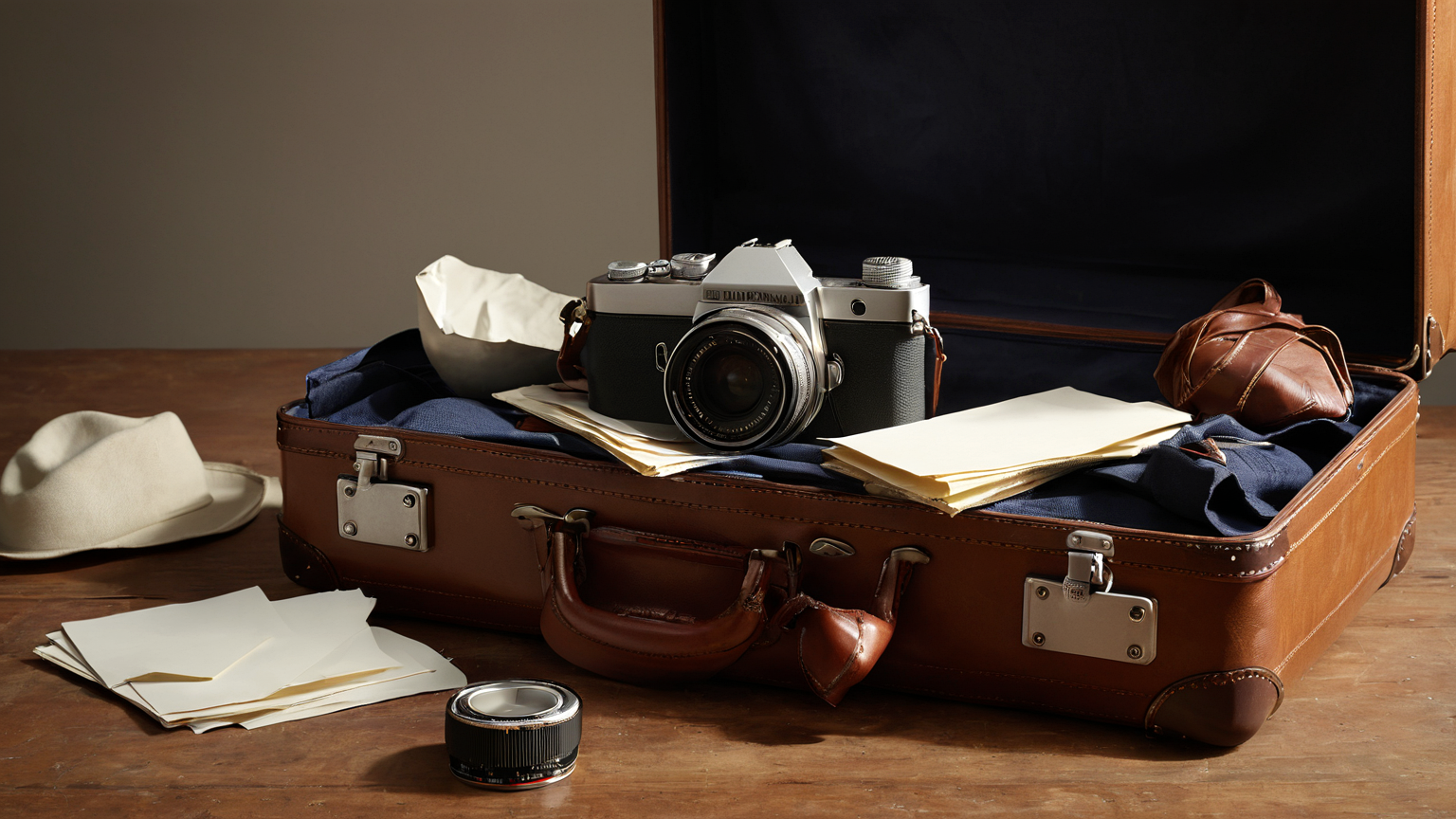
When a delayed bag arrives, photograph the outside, delivery label, locks, wheels, handles, zippers, and interior condition before mixing items with the rest of your luggage. For damaged bags, report promptly and preserve the bag until the airline explains repair, replacement, or inspection steps. For missing contents, create a conservative inventory with approximate purchase dates and proof where available. Inflated claims weaken credibility and can slow resolution.
Escalate with a clean timeline
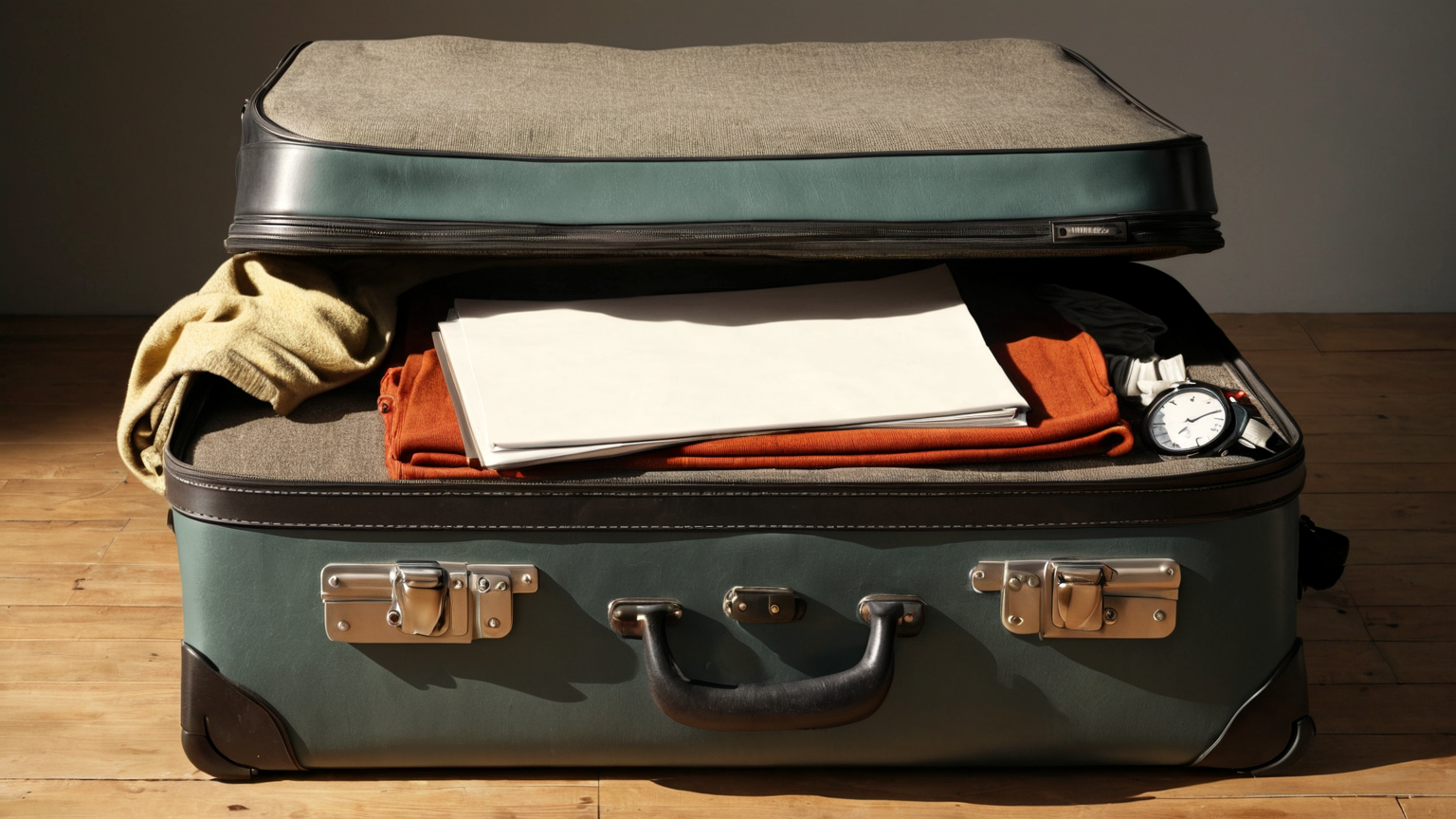
Your claim packet should tell the story without a detective: itinerary, tag number, report number, photos, messages, delivery attempts, essential purchases, damage photos, and the exact compensation requested. Separate airline claims from travel-insurance claims so deadlines do not collide. If a regulator complaint is appropriate, use official channels and redact private numbers. Keep copies offline in case an app account or email thread becomes unavailable during travel.
FAQ
Should I leave the airport if the line is long?
When possible, file the initial missing-bag report before leaving. If the airline directs online filing, save screenshots or confirmation numbers immediately.
Can I claim every replacement purchase?
Claims usually depend on reasonableness, documentation, airline policy, itinerary, and legal limits. Buy necessary interim items and keep itemized receipts.
What about valuables?
Keep passports, medication, essential electronics, jewelry, keys, and irreplaceable items in carry-on when allowed. Checked-bag compensation may not cover them fully.